How to Choose Commercial Dining Furniture for High-Traffic Spaces
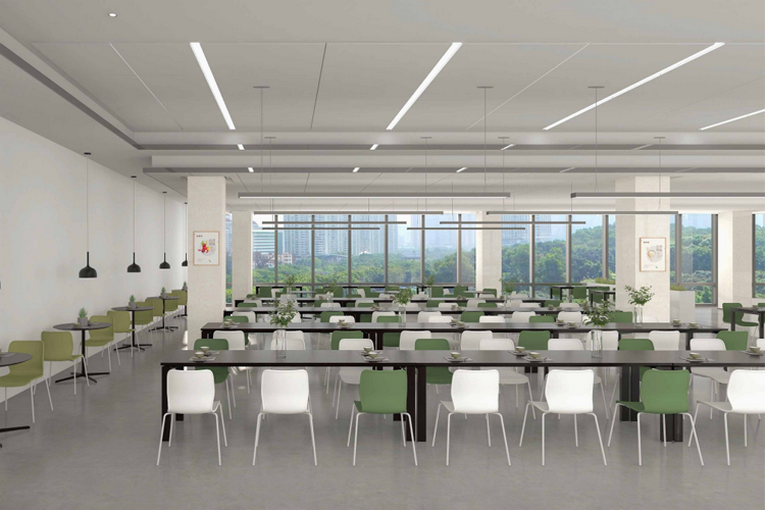
Dining areas in institutional and public facilities have a very different wear profile than offices or meeting rooms. Commercial dining furniture gets moved constantly, cleaned frequently, and used by a wide range of people—often on tight turnover schedules.
For procurement teams, the goal is to select commercial dining furniture that holds up under real traffic, stays easy to maintain, and remains consistent across replacements and phased orders.
Why High-Traffic Dining Spaces Need Better Furniture Choices
High-traffic dining spaces combine heavy use, fast circulation, and high visibility. A furniture plan that works in a low-use lounge can fail quickly in a cafeteria, campus dining hall, staff pantry, or multipurpose commons.
Responding to Heavy Daily Use and User Flow
Dining furniture experiences “repeat contact” stress: chairs get pulled, pushed, and dragged; tables take daily impacts; and finishes are exposed to continuous cleaning. Procurement decisions should reflect how the space will actually run, including peak-time density, queue paths, and the speed at which staff need to reset seating.
A practical planning step is defining traffic zones inside the same room. Perimeter seating, center clusters, and high-turnover areas near serving lines often need different durability assumptions, even if the furniture looks consistent across the space.
Balancing Function, Comfort, and Space Efficiency
The best dining layouts reduce bottlenecks and support quick seating without making the room feel cramped. That balance comes down to dimensions and circulation as much as it does aesthetics—table size, chair footprint, aisle widths, and how easily groups can combine or separate seats.
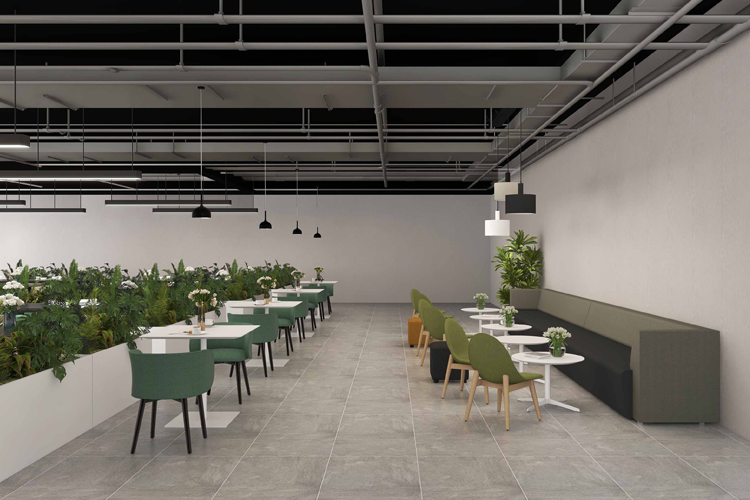
Comfort also matters, but in a commercial context it’s about usability across a wide population and typical dwell time. A chair that feels “fine” for five minutes but uncomfortable for a 30–45 minute meal leads to more shifting, noise, and faster wear.
Key Features to Look for in Commercial Dining Furniture
In high-traffic facilities, strong selections are those that stay stable, clean easily, and hold their appearance across large quantities. The most effective specifications translate operational realities into clear requirements suppliers can execute consistently.
Durable Materials for Demanding Public Environments
Material selection should be driven by likely failure points: edge impact, surface scratching, stain risk, and joint stability. For example, a more premium-looking surface can be a poor fit if it shows wear quickly under frequent cleaning, while heavier-duty constructions may justify themselves through lower maintenance burden.
In some venues where visual presentation is important (donor areas, executive dining rooms, hospitality-style campuses), designs like a solid wood marble dining table and chair can be evaluated when the facility has the cleaning discipline and traffic profile to support it.
Easy Maintenance and Surface Care Performance
Maintenance is a procurement variable, not an afterthought. Table finishes and chair materials should match the facility’s real cleaning process, including disinfectants, wipe frequency, and spill behavior.
It’s also worth confirming how surfaces behave over time: whether scratches become high-contrast, whether stains can be removed without damaging finish, and whether chair components loosen after repeated movement. In high-use spaces, a “cleanable” surface that still looks worn after six months creates a perception problem even if it remains functional.
Practical Seating and Table Design for Shared Use
Shared-use dining furniture should support quick seating, stable use, and easy resets. Procurement teams often get better outcomes by confirming the practical details that affect daily operations: chair weight and stackability (if required), floor glide performance, table base stability, and whether layouts can be maintained without constant adjustment.
For small-group environments like staff dining areas and break zones, configurations such as round tables with 4 chairs can support steady circulation and simplify planning where space is limited.
Where capacity and standardization are priorities, a consistent table size class like rectangular table with 6 chairs can make it easier to plan density, cleaning routes, and future replacements.
Flexible Solutions for Multi-Functional Dining Areas
Many institutional dining spaces function as more than dining: overflow meeting space, student collaboration areas, staff training zones, or event seating. Furniture should be evaluated for how well it supports those shifts without increasing damage risk or slowing down room turnover.
In multipurpose rooms, sets like dining tables with 6 chairs can be evaluated not only for seating count, but for how easily teams can reconfigure clusters, maintain aisle clearances, and keep the room consistent across phased expansion.
For facilities blending dining with informal collaboration, options such as wooden dining meeting tables and chairs may be relevant where the space is expected to support both meals and short meetings without switching rooms.
Many procurement teams also align pantry and breakroom decisions with the same logic used for larger dining areas, especially when standardizing across multiple floors or sites; that’s often the context behind decisions described in how to choose the best dining tables and chairs for your pantry.
Mistakes to Avoid When Choosing Commercial Dining Furniture
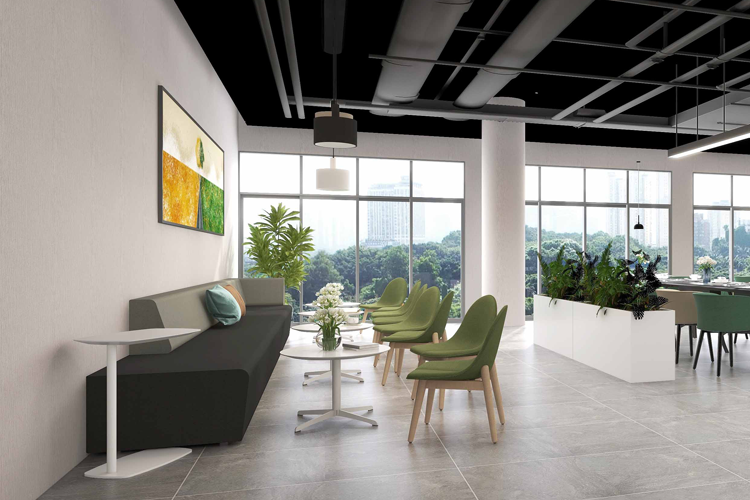
Most issues show up after occupancy: wobble, finish wear, cleaning problems, or mismatched replacements. These problems tend to come from avoidable procurement decisions that prioritize first cost or appearance without validating long-term operations.
Choosing Low Cost Instead of Long-Term Value
Unit price can be misleading in dining environments because high-traffic use accelerates wear. When furniture needs replacement early, the institution pays again—often with added complexity if the original models or finishes are no longer available.
A more procurement-ready comparison is lifecycle value: expected service life under your traffic and cleaning routines, warranty clarity, and the operational cost of keeping furniture stable and presentable over time.
Ignoring Maintenance Needs in Busy Dining Areas
A common miss is specifying attractive surfaces that don’t perform under real cleaning chemicals, or selecting chair finishes that show scuffs immediately. Another is underestimating how often staff will need to tighten hardware or replace floor glides.
Maintenance alignment should be treated as part of selection approval. If the custodial team has to change products or processes to protect furniture, that becomes a hidden cost.
Choosing Furniture That Cannot Adapt Over Time
Dining spaces often change over time—more headcount, revised serving lines, new programming. If the furniture plan can’t adapt, facilities teams end up mixing styles and finishes, and the space loses consistency quickly.
Replacement consistency is also a supplier evaluation issue. Procurement teams benefit from confirming whether a supplier can provide repeat orders with consistent finish matching and whether core items are likely to remain available for future phases.
How to Choose the Right Furniture for Your Facility
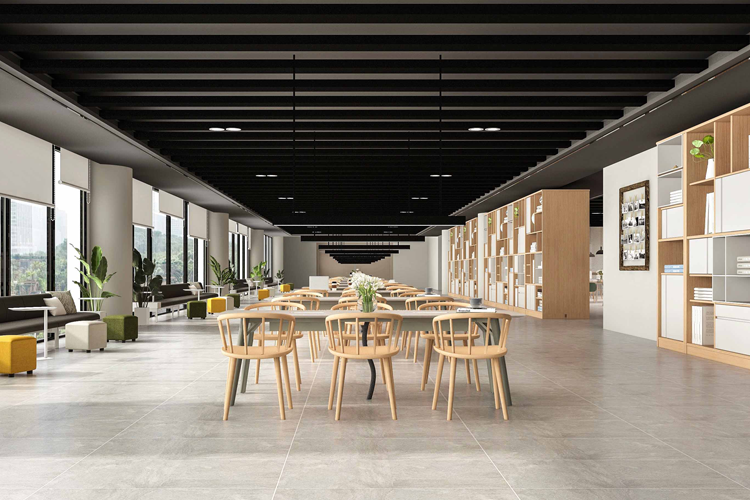
After shortlisting, evaluation should focus on project fit: how the furniture performs under expected traffic, how it aligns with any compliance requirements, and how the supplier supports maintenance and future reorders.
Match Furniture to Traffic and Daily Use
Start with how the space operates: peak occupancy, average dwell time, turnover rate, and whether seating is primarily individual, small-group, or large-group. Then confirm the layout logic: circulation, aisle widths, and how staff will clean and reset the space.
This is where mockups help. Even a small in-room test can reveal wobble, noise issues, cleaning challenges, and the real “feel” of density.
Check Durability and Compliance Standards
Compliance requirements vary by institution and jurisdiction, but procurement usually needs clarity on materials, cleanability, and any safety expectations tied to the facility (for example, slip risk, stability expectations, and fire/life safety considerations if upholstery is involved).
Supplier documentation readiness matters here. Clear product details, finish definitions, and warranty terms reduce approval friction—especially for public institutions with formal purchasing processes.
Evaluate Maintenance Cost and Replacement Value
Lifecycle value depends on serviceability. Procurement teams can reduce long-term cost by confirming how replacements are handled: availability of matching chairs/tables, lead times for reorders, and whether high-wear components (like glides) are standardized.
This is also where supplier evaluation becomes practical: consistent packaging for damage prevention, predictable production for phased projects, and the ability to maintain finish consistency across batches.
How to Choose Dining Furniture That Lasts Longer
The best commercial dining furniture decisions are the ones that still look intentional after heavy use, remain easy to maintain, and support evolving facility needs without constant replacement.
Improve Dining Area Efficiency with Better Furniture
When furniture matches traffic, cleaning routines, and layout behavior, operations improve. Staff spend less time correcting the room, custodial teams clean faster without surface damage, and users experience a space that feels orderly even during peak periods.
Reliability is especially valuable in public-facing environments where visible wear quickly affects perception of the facility.
Make Better Buying Decisions for Long-Term Value
Better outcomes usually come from three disciplines: specifying for real conditions, validating maintainability, and selecting suppliers who can deliver consistent quality at scale.
If you’re standardizing dining furniture across multiple facilities or planning a phased rollout, it’s worth treating dining tables and chairs as a repeatable program—defined finish standards, controlled SKUs, and a clear plan for future reorders—rather than a one-time purchase.
FAQ about Commercial Dining Furniture
Q1. What should procurement teams check before ordering commercial dining furniture?
Procurement teams should review durability, cleaning performance, delivery capacity, and replacement support. Onmuse commercial dining furniture is built for high-traffic projects with reliable long-term value.
Q2. How can buyers ensure consistent quality across bulk dining furniture orders?
Buyers should choose suppliers with stable production standards and repeatable finishes. Onmuse supports bulk orders with consistent quality and dependable project delivery.
Q3. How can facilities reduce long-term replacement costs for dining furniture?
Choose durable furniture with easy-care surfaces and reliable reorder support. Onmuse dining furniture is designed for heavy daily use, helping reduce maintenance and replacement pressure.