
Strategic Conference Table Procurement for Modern Corporate Environments
In corporate projects, conference tables are not just furniture. They are long-term assets that affect meeting efficiency, cable management, and space planning. The real challenge is not choosing a design, but ensuring consistency, durability, and supplier reliability across large orders.
This article outlines what procurement teams should check before sourcing conference tables.
Evaluating Space and Seating Requirements
The first step is to understand how the table will be used. A table that looks good on paper may not work well in the actual room.
Determining Headcount and Clearance
Conference tables should match the number of expected users. In most meeting rooms, 30 inches of table edge per person is a good starting point. Executive boardrooms often need more space, around 36 inches per person.
Room clearance is also important. Teams should keep enough space between the table and the walls so people can move comfortably. In most cases, 48 inches of clearance is a practical standard.
Balancing Executive Rooms and Shared Spaces
Not all meeting rooms need the same table type. Executive rooms often need larger tables with premium finishes. Shared meeting rooms may need simpler and more flexible designs.
Even so, the overall office should still look consistent. Procurement teams should look for suppliers that can offer different table sizes with matching finishes and styles.
Planning for Multi-Floor or Multi-Site Projects
Large companies often need conference tables across several floors or locations. In these projects, consistency matters. The tables should match in color, finish, and construction quality.
This is especially important when orders are placed in phases. A later order should still match the first installation.
Managing Power and Technology Integration
Modern conference tables do more than provide seating space. They also support charging, presentations, and video meetings.
Integrated Cable Management
Loose cables can quickly make a meeting room look disorganized. They can also create safety and maintenance problems. For this reason, tables should include built-in cable management where possible.
A good commercial conference table should offer hidden cable paths and under-table wire organization. This helps keep the room neat and easier to maintain.
Flexible Power and Data Access
Technology changes faster than furniture. That is why built-in power access should be easy to update. Tables with modular power units are often a better long-term choice.
This allows teams to change or upgrade ports later without replacing the full table. It is a practical feature for offices that want longer product life.
Planning for Hybrid Meetings

Many conference rooms now support video calls and hybrid meetings. The table should allow space for microphones, cameras, and control panels if needed. This should be planned early, not added after installation.
Onmuse Conference Table Solutions for Office Projects

For many office projects, conference tables are only one part of the furniture package. Companies may also need conference chairs, executive desks, storage, and furniture for other office zones. In these cases, working with one supplier can make the project easier to manage.
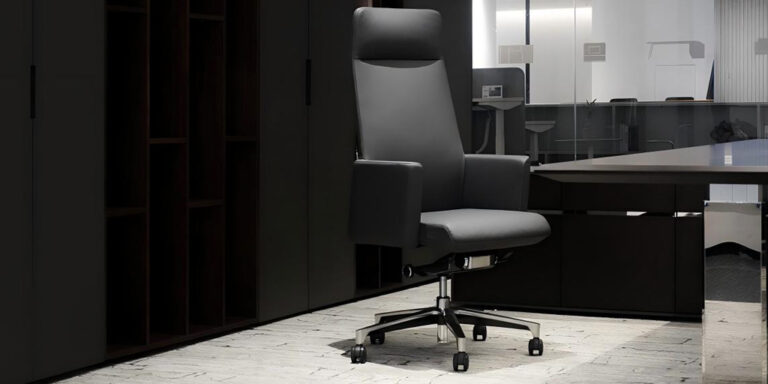
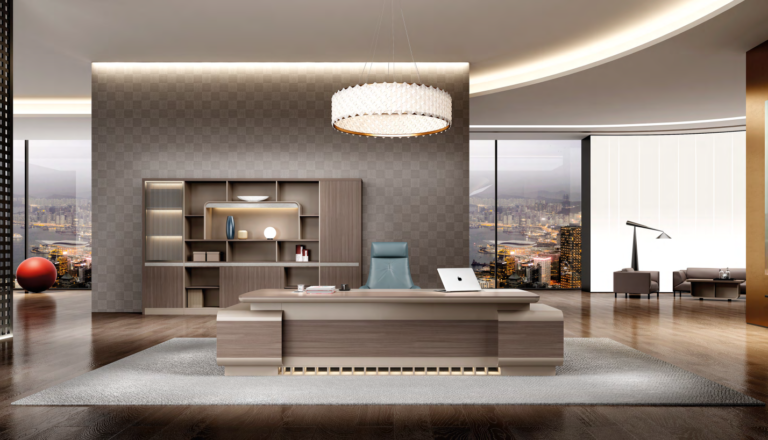
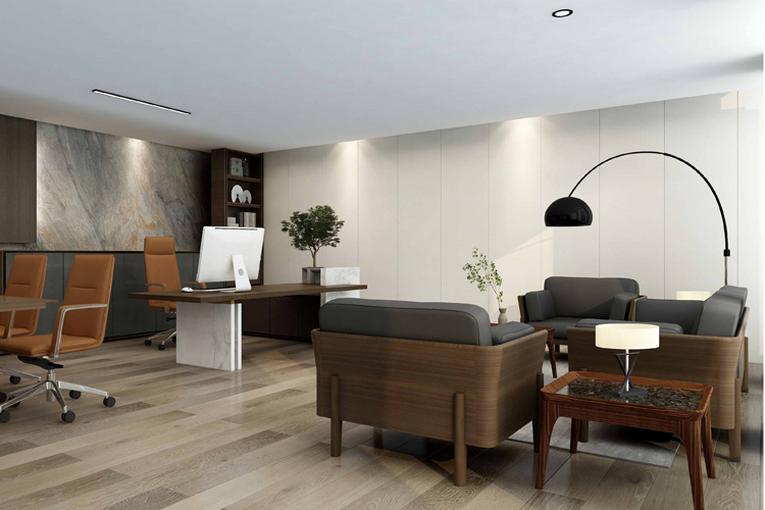
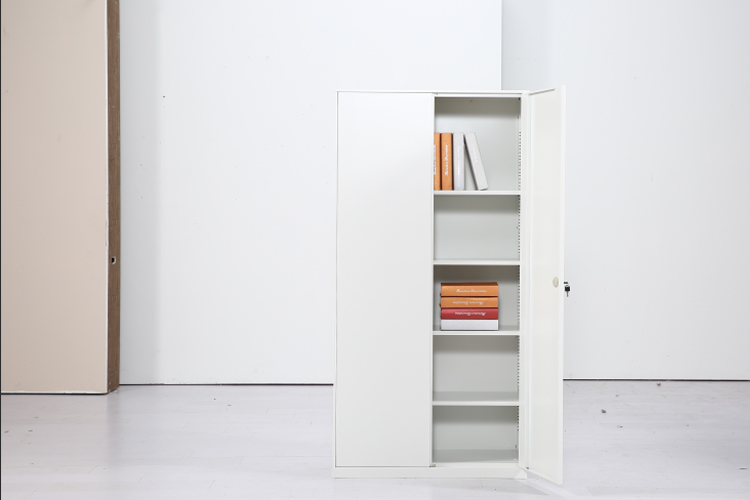
Onmuse offers conference tables as part of a wider office furniture range. This includes conference chairs, executive desks, executive chairs, and storage solutions. For procurement teams, this can help create a more consistent office look and simplify sourcing across different meeting and work areas.
Checking Material Durability and Finish Consistency
Conference tables are used every day. The materials should be strong enough for long-term office use.
Surface Durability for Daily Use
In busy offices, table surfaces face laptops, notebooks, drinks, and regular cleaning. They should resist scratches, stains, and wear. Commercial-grade laminate surfaces are often a good choice for this reason.
For executive rooms, veneer may still be preferred. If so, the finish should be suitable for commercial use, not just for appearance.
Finish Consistency in Large Orders
In large projects, finish consistency is very important. If tables arrive in different shades or surface tones, the office can look inconsistent. This often becomes more visible in glass meeting rooms or open office layouts.
Procurement teams should confirm that the supplier can keep finishes consistent across batches. This matters even more for phased installations.
Easy Maintenance and Replacement
Long-term maintenance should also be considered. Easy-clean surfaces help reduce upkeep. Access to replacement parts or matching components can also extend product life.
If one part gets damaged, replacing only that part is often more cost-effective than replacing the whole table.
Reducing Procurement Risk with Compliance Checks

Testing and documentation help reduce risk in commercial furniture projects. They also help buyers compare suppliers more accurately.
Checking Structural Performance
Conference tables for commercial use should meet relevant strength and stability standards. Buyers should ask for test reports or supporting documents where needed. This helps confirm that the table is suitable for long-term office use.
Reviewing Supplier Documentation
Procurement teams should review product specs, finish details, warranty information, and available compliance documents. Clear paperwork helps avoid confusion later in the project. It also makes supplier comparison easier.
Confirming Safety and Environmental Requirements
Some projects may require low-VOC materials or other compliance documents. This is common in corporate, education, and public-sector projects. These requirements should be checked early in the sourcing process.
Managing Delivery and Installation
A good product still needs a good rollout plan. Delivery and installation should match the project timeline.
Planning Lead Times
Conference tables often need more lead time than simple office furniture. This is especially true for larger sizes or customized finishes. Procurement teams should align order timing with site readiness and installation schedules.
Coordinating Installation
Larger conference tables may require skilled assembly on site. This is even more important if the table includes built-in power units. Installation should be planned carefully so the room is ready to use right away.
Reviewing Warranty and Support
Warranty terms should be clear before purchase. Buyers should also check whether matching parts or service support will be available later. This helps protect the long-term value of the investment.
Conclusion
Sourcing conference tables for large corporate projects requires more than choosing a design. You need to think about room size, technology needs, finish consistency, delivery, and long-term durability.
With the right planning and a supplier such as Onmuse, you can create meeting spaces that are practical, consistent, and built for long-term use.
FAQs
Q1. What should you check when sourcing conference tables?
You should check room size, seating capacity, cable management, surface durability, and supplier documentation. For large projects, you should also evaluate finish consistency and delivery reliability, which suppliers like Onmuse can support.
Q2. Why is cable management important in conference tables?
You need proper cable management to keep meeting rooms clean, safe, and easy to use. It also helps prevent cable damage and reduces maintenance issues. Many solutions, including conference tables from Onmuse, are designed with integrated cable management.
Q3. How can you keep conference room furniture consistent?
You can maintain consistency by using matching product lines across different rooms. Working with a supplier like Onmuse can help ensure consistent design, finish, and quality across tables, chairs, and other office furniture.