How to Choose Institutional School Furniture for Long-Term Project Value
School furniture procurement is rarely just a furniture decision. It’s a durability and safety decision, a daily operations decision for custodial teams, and a long-term budgeting decision for the institution. The best outcomes come from specifying furniture that fits how the campus actually operates—then validating that it can be delivered consistently at project scale with the right documentation and after-install support.
Why Institutional School Furniture Requires a Different Procurement Approach
Institutional environments place a different kind of stress on furniture than typical office or hospitality settings. K–12 schools, colleges, and training facilities need products that stay safe and functional through heavy daily use, frequent cleaning, and constant space reconfiguration.
Balancing Durability, Safety, and Daily Usability
In a school, “durable” isn’t just a marketing claim—it shows up in the first semester. High-use spaces expose weak points quickly: edge chipping, loose fasteners, wobbly legs, peeling surfaces, or components that can’t be tightened without special tools. When those issues appear, they create real costs: maintenance tickets, downtime for classrooms, and early replacement.
Safety is equally central. Furniture must support stable posture, reduce pinch/sharp hazards, and hold up without creating failure modes such as sharp edges, exposed hardware, or tipping. Procurement teams typically need supplier documentation that supports confidence in commercial-grade performance and any required compliance expectations for the institution.
Daily usability is the third leg of the stool. If furniture is durable but too heavy to move, difficult to clean, or poorly sized for the student group, it will be treated roughly—or avoided altogether. The best specifications account for real behavior: students drag chairs, staff reconfigure rooms quickly, and custodians need surfaces that clean without damage.
Supporting Different Learning and Facility Needs
A single campus can include classrooms, labs, libraries, faculty spaces, common areas, dining spaces, and multipurpose rooms—each with different usage patterns. Furniture that performs well in one setting can underperform in another if the specification doesn’t match the function.
A practical approach is to group spaces into a few “performance profiles” (standard classroom, high-traffic shared spaces, flexible multipurpose rooms, specialized rooms). This makes it easier to standardize where it’s smart—without forcing one product to cover every use case.
Key Factors to Consider When Selecting School Furniture
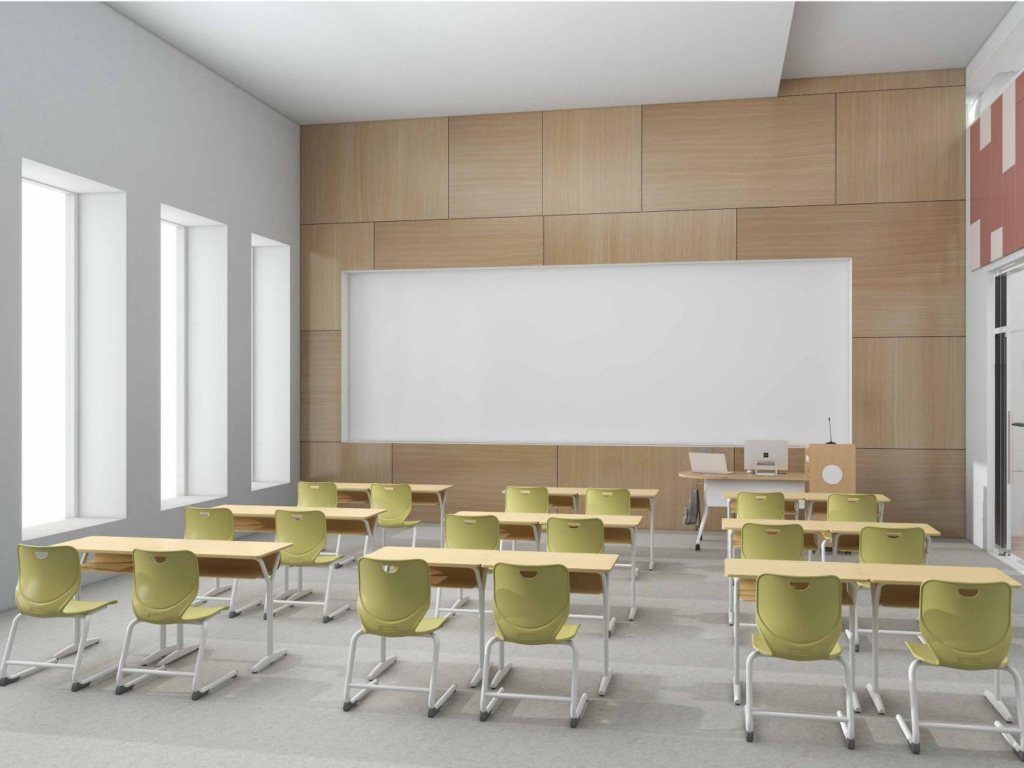
School furniture should be evaluated as a lifecycle asset. Beyond appearance and initial price, the most important criteria are how the furniture resists wear, supports students safely, adapts to changing instruction models, and stays serviceable for years.
Material Strength and Surface Durability
In educational settings, surfaces are constantly exposed to abrasion, impacts, and cleaning. Tabletops and seat surfaces should resist scratching and staining, and edges should be protected against chipping and swelling.
From a procurement standpoint, it helps to evaluate durability in “failure terms”: how a surface holds up under the institution’s real cleaning products, what breaks first in daily use (edges, fasteners, glides), and whether damage can be repaired without replacing the full unit.
For classroom rollouts, many teams find it easier to control durability expectations when they standardize complete sets—such as a consistent line of school desk and chair configurations—rather than mixing products with different wear profiles.
Ergonomic Support for Student Use
Ergonomics in schools is about fit across a student population, not custom comfort. Students vary by age, height, and posture habits, and furniture needs to support safe, functional use without forcing awkward positioning.
Procurement teams can reduce risk by validating sizing against the intended grade bands and by confirming the furniture feels stable in real use. The best ergonomic outcomes usually come from matching the product to the student group and classroom behaviors, then testing a representative sample in the environment where it will be used most.
Flexibility for Multi-Use Learning Spaces
Many institutions now need rooms that shift modes throughout the day—lecture, group work, testing, project work, and presentations. Furniture that only supports one layout reduces room utilization and increases staff workload.
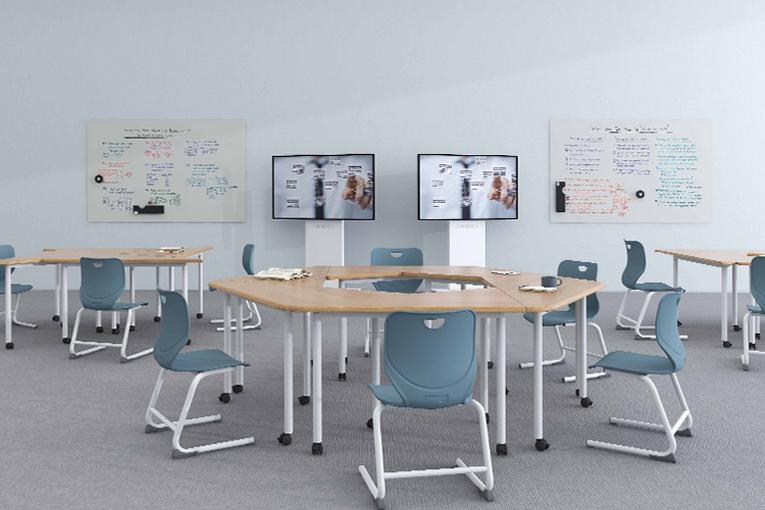
Flexibility can mean different things depending on the space: lighter weight for reconfiguration, shapes that combine into multiple layouts, stackability/nesting that doesn’t damage surfaces, and modular storage that supports quick transitions. A good validation step is to map one or two “high-change” rooms and confirm the furniture supports transitions without excessive labor or storage demands.
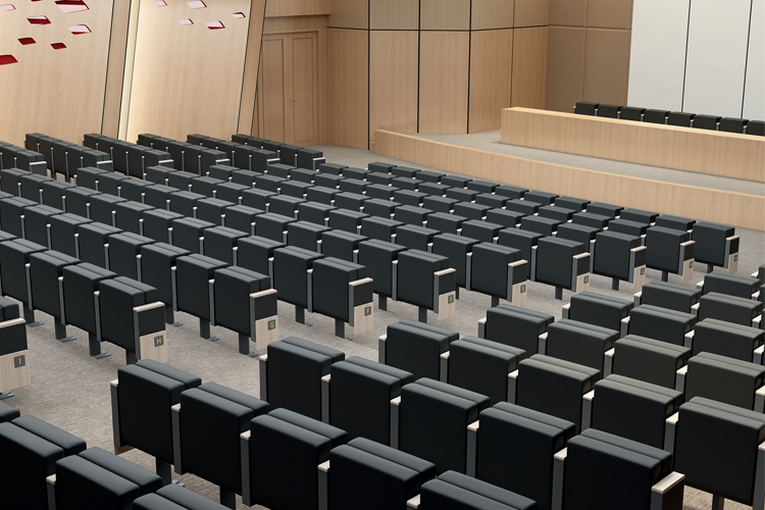
Campuses that include auditoriums, lecture halls, or performance spaces typically treat seating there as its own specification track, since the wear patterns and compliance expectations differ from classrooms; that’s where dedicated options like auditorium chairs are usually evaluated separately from student classroom furniture.
Maintenance and Long-Term Service Value
School furniture lives or dies by maintainability. Even high-quality products become a problem if parts are hard to replace, warranties are unclear, or repairs require specialized labor.
Long-term service value improves when replacement parts are available, common repairs can be handled by campus maintenance staff, and surfaces can be cleaned using normal custodial processes. Procurement can protect this by confirming parts availability, typical lead times for replacements, and how warranty claims are handled for institutional projects.
Common Procurement Mistakes in School Furniture Projects
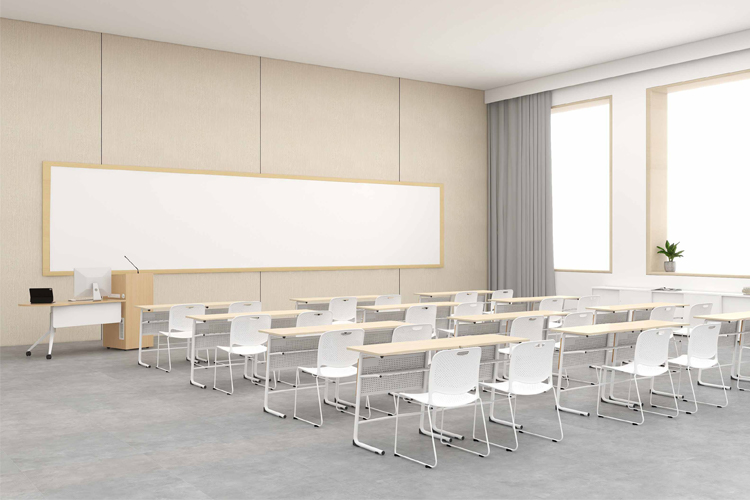
Most school furniture issues don’t come from one “bad chair.” They come from decisions that underweight lifecycle cost, over-assume gentle use, or overlook how learning spaces actually function.
Prioritizing Initial Cost Over Lifecycle Value
Lowest unit price can look good in a bid comparison, but it often shifts costs into operations. When furniture fails early, the institution pays again for replacements, plus the labor cost of repairs, reorders, and classroom downtime.
A more reliable approach is comparing options by expected service life, maintenance workload, and replacement cycles—especially across hundreds or thousands of pieces.
Overlooking Durability in High-Use Environments
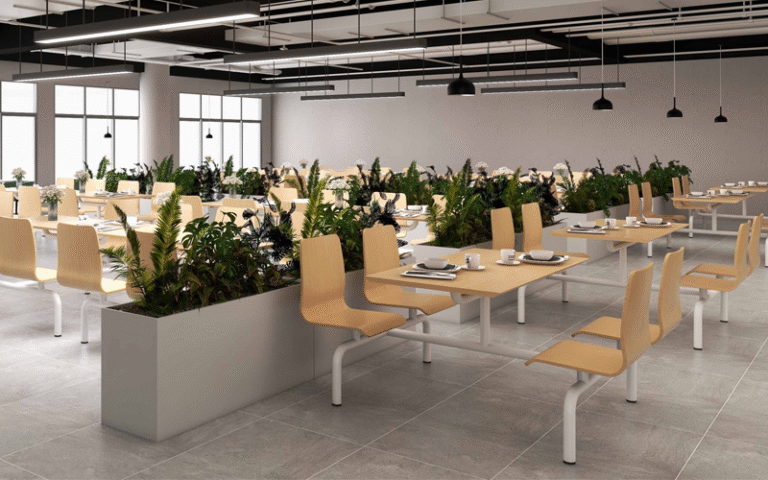
High-traffic spaces (commons, cafeterias, libraries, shared classrooms) expose weaknesses fast. Furniture selected using “standard classroom” assumptions often underperforms when used continuously all day.
Procurement teams usually get better outcomes by specifying a more robust standard for high-use zones, rather than forcing one light-duty solution across the entire campus.
Ignoring Space Flexibility and User Needs
A plan that looks efficient on paper can fail operationally if it doesn’t match teaching patterns and room resets. Common issues include furniture that’s too heavy to move, tables that don’t combine cleanly, or seating that stacks poorly and damages surfaces.
User input helps most when it’s functional, not preference-based: how often rooms change layout, where overflow furniture is stored, and what custodial teams need for fast cleaning.
How to Evaluate Whether the Furniture Fits the Institution
After shortlisting product options, project-fit evaluation is where procurement can reduce risk. The goal is to confirm alignment with campus functions, safety/compliance expectations, and the supplier’s ability to deliver consistently.
Matching Furniture to Classroom and Campus Functions
Start by confirming the furniture matches how each space is used, not just how it is labeled. Two “classrooms” can be completely different: one lecture-based with minimal movement, another reconfigured multiple times per day.
A practical evaluation looks at usage intensity, layout-change frequency, cleaning frequency and methods, storage constraints, and any device behaviors (laptops, carts, charging). This makes it easier to standardize by use case rather than selecting one-off solutions.
Reviewing Safety and Compliance Requirements
Institutions often need documentation to support approvals, risk management, and stakeholder confidence. Requirements vary, but procurement typically benefits from clarity on what documentation will be submitted, what testing information is available if requested, and how materials and finishes are documented for institutional review.
Even when a specific certification isn’t required, documentation readiness can shorten approvals and reduce uncertainty during stakeholder review.
Checking Order Consistency and Delivery Readiness
Large school projects often succeed or fail at execution. Furniture that looks right in a sample can arrive with finish variation, incomplete shipments, or packaging damage that creates immediate punch-list work.
To reduce risk, procurement teams typically confirm finish/sample approvals tied to the production run, packaging protection appropriate for long-distance shipping and jobsite handling, and a delivery plan aligned to the academic calendar. For phased projects, it’s also important to confirm how consistency is maintained across batches and future reorders.
Choosing School Furniture That Supports Better Learning Environments
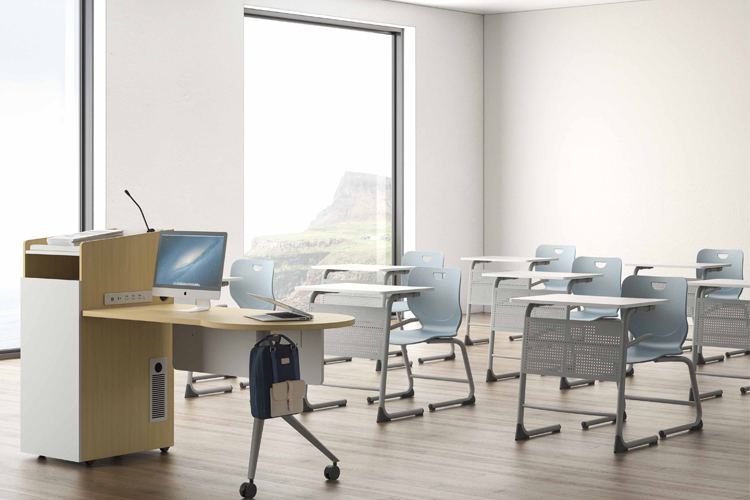
A strong school furniture specification supports instruction and operations at the same time. It reduces distraction, minimizes maintenance interruptions, and keeps spaces usable across changing learning models.
Creating More Reliable and Efficient Educational Spaces
When furniture is durable, easy to maintain, and flexible enough for modern instruction, classrooms stay functional with fewer disruptions. Teachers spend less time working around the room, custodial teams can clean efficiently without surface damage, and facilities teams spend less time responding to repeat repair tickets.
Reliability also supports equity: students are less likely to end up with broken or uncomfortable seating, and classrooms remain more consistent across a building or district.
Improving Long-Term Value Through Better Procurement Decisions
Long-term value usually comes from disciplined standardization, realistic durability requirements, and supplier accountability. Procurement processes that validate real use conditions and prioritize serviceability tend to outperform approaches that optimize only for initial cost.
For multi-campus or phased programs, it’s also worth choosing suppliers who can support repeatable specifications and consistent production over time; Onmuse is often evaluated by institutional buyers on whether it can maintain consistent specifications and project-order output across larger rollouts.
FAQs
What documentation should procurement request for institutional school furniture?
Typically: product cut sheets, finish/material descriptions, warranty terms, care/cleaning guidance, and any available testing or certification documentation your institution uses for approvals. For large projects, it also helps to confirm packaging standards and the process for handling damages or missing parts.
How do schools compare furniture options beyond unit price?
Lifecycle value is usually the most useful comparison: expected service life, maintenance workload, ease of repair (parts availability), warranty clarity, and likelihood of needing replacement within the planning horizon. Comparing “cost per year of service” is often more informative than comparing unit price alone.
Should districts standardize furniture across all schools?
Standardization usually improves long-term value by simplifying maintenance, reorders, and replacements—especially for core classroom items. The most effective approach is partial standardization: keep core standards consistent, while allowing controlled variations for specialized spaces (labs, maker spaces, performance venues).