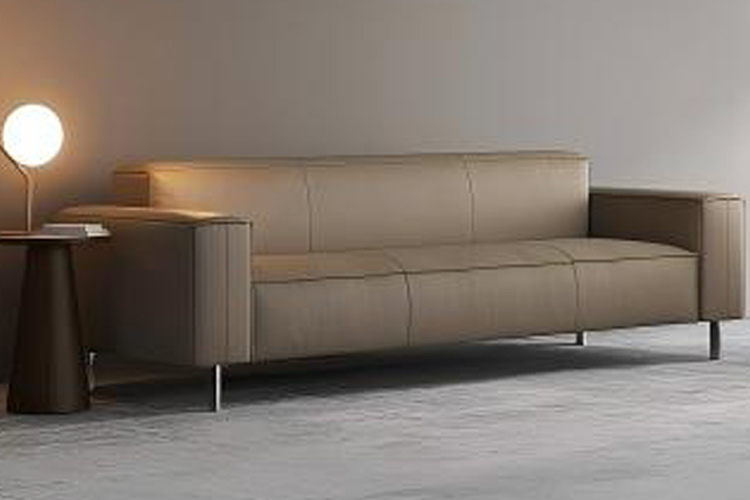

Commercial Break Rooms Furniture and Office Pantry Selection Guide for Corporate Facilities
Procuring furniture for commercial break rooms and employee pantries requires a transition
from residential-style aesthetics to industrial-strength performance standards. In high-volume
corporate facilities, furniture must withstand multi-shift usage cycles and aggressive
sanitation protocols that would cause standard retail-grade products to fail. At Onmuse, we
engineer pantry solutions through a manufacturing lens, focusing on moisture-resistant core
materials, high-traffic finishes, and structural tolerances capable of supporting dense
occupancy.
For procurement teams, the objective is to minimize the total cost of ownership by selecting
systems with verified BIFMA weight ratings and chemical-resistant surfaces that remain
“punchlist-ready” through years of heavy institutional use.
Understanding Commercial Break Rooms Furniture Requirements

Commercial break room durability is defined by a product’s ability to maintain structural
integrity under continuous, high-frequency loading. Procurement strategies must prioritize
industrial-grade components to avoid the high replacement costs associated with
under-specified furniture.
Usage Cycles
High-traffic environments necessitate furniture built for 24/7 multi-shift utilization.
Unlike residential furniture, commercial-grade pantry systems are engineered to withstand
thousands of seated cycles and repetitive surface impacts without mechanical fatigue.
Operating Costs
Investing in durable contract furniture significantly lowers long-term operating costs by
extending the replacement lifecycle. Budget allocation should focus on the cost-per-year of
service rather than the initial purchase price to justify the selection of reinforced frames
and high-performance laminates.
Planning Errors
Common mistakes in commercial break room planning include underestimating the abrasive nature
of industrial cleaning agents and failing to account for heavy appliance loads on storage
enclosures. Verifying manufacturing specs early in the procurement process mitigates these
operational risks.
Space Planning Standards for High-Volume Employee Pantries
Effective pantry layouts must balance seating density with strict occupancy and accessibility
codes. Space planning for large-scale facilities requires precise coordination between
furniture footprints and fixed architectural elements.
Clearance Requirements
Maintain a mandatory 36-inch minimum pathway width around fixed elements, increasing to 48
inches in primary circulation routes to satisfy ADA turning radius and accessibility
compliance. These clearances ensure safe egress during peak hours and accommodate high-volume
employee movement.
Traffic Flow
Establish clear zoning to separate high-traffic appliance zones from quiet seating areas.
Managing congestion during peak meal hours requires a strategic seating layout that prevents
bottlenecks around sinks, coffee stations, and waste receptacles.
Site Constraints
Installation success depends on verifying site-specific constraints, such as freight elevator
dimensions and loading dock capacities. For multi-floor rollouts, substrate leveling must be
audited to ensure that fixed dining tables and storage units remain perfectly aligned without
excessive shimming.
High-Traffic Seating Specifications for Commercial Environments

Seating in shared dining spaces is subject to constant movement and heavy mechanical stress.
Procurement submittals must include structural certifications to ensure the product meets
safety requirements for public spaces.
Structural Performance
Specify chairs with BIFMA weight rating certifications and dynamic load testing for
multi-shift usage. At the factory level, Onmuse utilizes reinforced frame welds and
high-integrity joints to prevent structural failure in high-frequency contact areas.
Finish Durability
Surfaces must feature commercial-grade, bleach-cleanable vinyls or high-impact
polypropylenes. Specify materials with abrasion resistance exceeding 100,000 double rubs and
verified resistance to staining from common food and chemical exposure.
Quality Documentation
Every seating order should be accompanied by finish samples and batch consistency reports.
Our QA/QC verification procedures ensure that the product delivered to the site matches the
original manufacturing specifications and color standards.
Commercial Dining Table Standards for Shared Spaces

Dining tables in corporate pantries serve as the primary work surfaces for employee
interaction. These units require structural tolerances that prevent surface deflection and
edge-banding failure.
Structural Tolerances
Specify metal bases with heavy-duty rigidity and wide load distribution to prevent tipping or
surface wobbling. Onmuse utilizes high-impact edge-banding technology to protect table
corners from the frequent impacts associated with chair movement and custodial equipment.
Surface Performance
Non-porous laminate specifications are mandatory for food-service areas to prevent bacterial
growth. Surfaces must undergo chemical resistance testing to ensure they do not degrade when
exposed to heat, grease, or hospital-grade disinfectants.
Assembly Considerations
Identify whether the project requires on-site assembly or factory pre-assembly based on
elevator access and labor timelines. Adjustable base plates are essential for compensating
for uneven flooring in large-scale dining halls, ensuring a level and stable work surface.
Commercial Storage and Appliance Enclosure Specifications
Pantry storage units must support the weight of industrial appliances while resisting the
moisture common in “wet zones” around sinks and refrigerators.
Hardware Standards
High-cycle hinge ratings and heavy-duty drawer glides are required for shared storage. We
specify soft-close hardware with high-cycle durability to prevent slamming, which extends the
lifespan of the cabinet chassis and reduces acoustic noise in the break room.
Moisture Resistance
Specify moisture-resistant core materials for all cabinetry located in spill-prone areas.
Edge sealing protection standards must be strictly enforced to prevent core swelling caused
by standing water or steam from coffee stations and dishwashers.
Warranty Service
Ensure all hardware carries a minimum five-year commercial warranty with guaranteed spare
part availability. Modular component design allows for the rapid replacement of doors or
drawer fronts in the field without requiring the removal of the entire enclosure.
Managing Lead Time and Multi-Site Rollout Risks
Multi-site rollouts for corporate pantries require precise manufacturing scheduling and
freight protection to meet strict GC deadlines.
Manufacturing Scheduling
Align production timelines with the general contractor’s critical path to avoid site delays.
Manufacturers with scalable capacity can provide quick-ship options for standard finishes,
mitigating the impact of sudden project timeline shifts.
Change Controls
Establish strict cutoff policies for dimension modifications after the submittal approval
phase. A clear submittal workflow ensures that all technical specs—including tech cutouts and
power drops—are finalized before production begins.
Freight Protection
Palletized shipping and honeycomb corner protection standards are required to prevent transit
damage. Procurement teams must enforce concealed damage inspection protocols during the
unloading phase to ensure that any logistics issues are resolved before the final punchlist.
Material Certifications and Long-Term Maintenance Standards
Material choice directly impacts the air quality and fire safety of the facility. All
surfaces must be backed by verifiable testing data to satisfy institutional safety audits.
Surface Certifications
Ensure all laminates and textiles meet regional fire code compliance ratings and
anti-microbial standards. Non-porous surfaces prevent cross-contamination in shared dining
environments and simplify the custodial workflow.
Testing Data
Review chemical compatibility reports to ensure that chosen finishes will not “ghost” or
crack when exposed to the facility’s specific cleaning agents. Accelerated aging and UV
resistance testing ensure that furniture near windows maintains its finish consistency
over time.
Lifecycle Planning
Standardizing modular components across multiple locations allows for easier lifecycle
planning and local service agreements. This strategy simplifies the procurement of
replacement parts and ensures a consistent visual standard across the entire enterprise.
Why Manufacturer Capability Determines Project Success
Successful pantry rollouts depend on a manufacturer’s ability to provide scalable production
and batch consistency across multiple project phases. Direct manufacturing capability allows
for immediate technical support and compliance documentation that third-party dealers cannot
always provide. By leveraging a partner with verified structural engineering and rigorous
QA/QC logs, procurement teams can protect their corporate investment and ensure the
long-term functionality of their break room environments.
For a tailored office furniture solution, contact Onmuse’s team for expert advice and recommendations.
Project Procurement FAQs
How do commercial pantry tables differ from standard office desks?
Pantry tables are manufactured with non-porous, moisture-resistant laminates and reinforced
edge-banding specifically designed for food-service environments. They require higher chemical
resistance ratings to withstand the frequent use of disinfectants and exposure to heat
and moisture.
What are the fire code requirements for break room seating?
Commercial seating must typically meet CAL 117 or CAL 133 standards, depending on the
occupancy type and local fire ordinances. Manufacturers provide technical data sheets and
certification labels on the underside of the furniture to prove compliance during building
inspections.
How does Onmuse manage finish consistency for multi-site rollouts?
We utilize Delta E colorimetry and batch-matching protocols to ensure that finishes remain
consistent across different production lots. This ensures that furniture delivered for Phase 1
in one city perfectly matches the Phase 2 delivery for a different location months later.