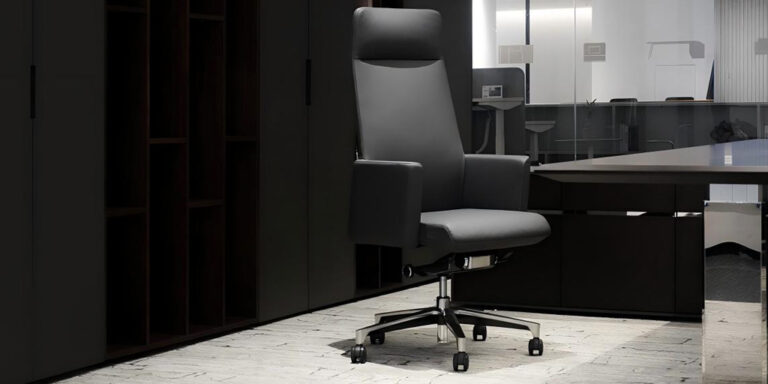

Big and Tall Office Chairs: Structural Considerations for Offices
Big and Tall Office Chairs are a vital part of inclusive office planning. They require structural specs that go beyond standard ergonomic ratings. In 24/7 environments, regular chairs often fail. They cannot handle the duty-cycle demands of all users. For procurement teams, this is a structural necessity. High-capacity seating ensures fleet longevity and user safety.
Standard chairs in high-use zones lead to high maintenance costs. Choosing heavy-duty seating reduces these operational risks. You must evaluate load-bearing frames and Class 4 cylinders. BIFMA X5.11 compliance is also essential for commercial submittals. This guide examines the technical side of heavy-duty seating. We cover robotic welding, steel thickness, and clearance tolerances.
These factors verify performance in corporate and healthcare settings. Proper specifications ensure your seating meets the performance needs of modern offices. Focusing on these details prevents premature equipment failure and protects your furniture investment.
What are the load-bearing specs for Big and Tall Office Chairs?
Procurement teams must distinguish between static and dynamic load capacities to ensure long-term facility safety. Engineering for users over 400 lbs requires a rigorous analysis of structural stress points and load distribution.
Load ratings
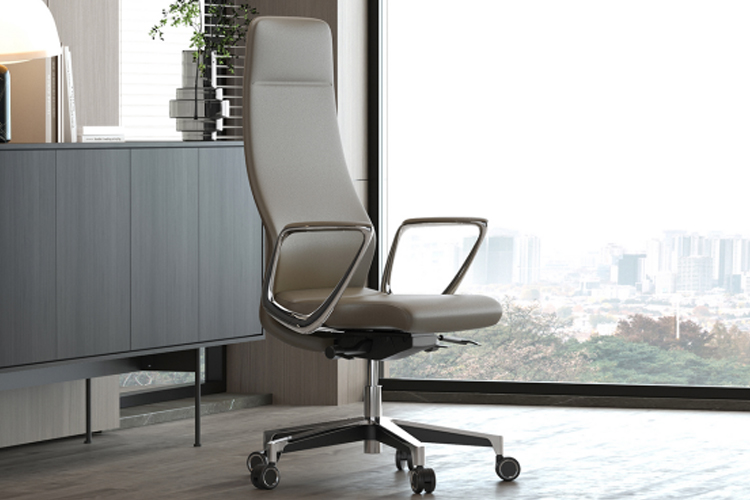
Static ratings only measure the weight a chair holds while stationary. For commercial projects, dynamic load ratings are more important. These ratings account for the force generated when a user sits down or shifts position. Chairs must handle off-center loading to prevent frame torque. This ensures the seat pan remains level under uneven weight distribution.
BIFMA standards
Standard office chairs follow the X5.1 benchmark. However, heavy-duty seating must meet ANSI/BIFMA X5.11 specifications. This standard tests the chair using 400-lb and 500-lb capacity protocols. Submittals should include independent lab verification of these tests. This data confirms the backrest and armrests can withstand high-torque lateral force without snapping.
Testing
Dynamic testing simulates years of use in multi-shift environments. It includes 24/7 duty cycle endurance and functional drop tests. Components like structural joints and recline mechanisms are tested for 100,000 cycles. Stress-strain analysis is performed specifically on base and cylinder connections. This rigorous testing prevents catastrophic failure in high-intensity institutional settings.
How do structural materials impact long-term procurement cycles?
The choice of raw materials directly dictates the replacement cycle of an office fleet. Using high-grade metals reduces the total cost of ownership by extending the product’s lifespan.
Steel

Heavy-gauge cold-rolled steel is required for internal frame integrity. Standard plastic frames lack the rigidity needed for load-bearing brackets and plates. Procurement should request mill certification for all steel components. This verifies the thickness and grade of the metal. Thick steel frames prevent the chair from bowing or losing alignment over time.
Welding
Robotic bead welding provides the most consistent joint penetration and strength. This method is superior to spot-welding, which often fails under high loads. Visual and ultrasonic inspections ensure every joint is structurally sound. Performance data shows that welded connections resist shear better than bolted joints. Eliminating spot-welding in critical load zones is a key mark of quality.
Chairs
Selecting chairs with heavy-duty core components reduces service calls. High-quality materials allow for fleet standardization across all user demographics. You can review technical specifications for high-capacity models in our Office Seating category. Quality frames ensure a 10-year lifecycle even in high-use settings. This material focus protects the facility budget from early replacement costs.
What clearance tolerances are required for inclusive workstation planning?
Workstation layout must account for the larger footprints and adjustment spans of specialized seating. Inclusive planning relies on 95th percentile anthropometric data to ensure all staff have adequate space.
Seat
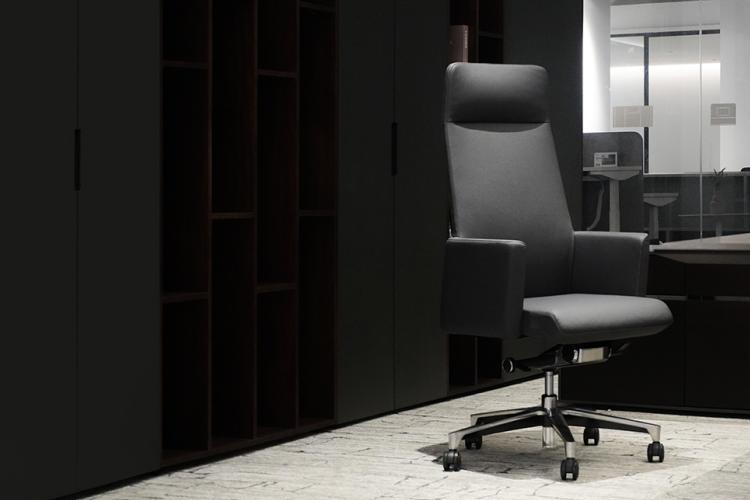
Minimum width requirements must accommodate 95th percentile hip clearance for the user. Effective seat depth adjustment is necessary for users with longer femur lengths. Beveled edges are required to minimize pressure behind the knee. Side-to-side clearance between armrests must be standardized for heavy-duty use. This ensures the seat pan integrates properly with the chair’s structural frame.
Adjustments
Tall users require extended vertical cylinder travel to maintain correct ergonomic posture. 4D armrests allow for width-adjustment spans that accommodate broader shoulder profiles. Independent backrest height positioning is critical for proper spinal alignment. Tension-adjustable recline mechanisms must be optimized for varying body mass. These ranges prevent musculoskeletal strain across a diverse workforce.
Layout
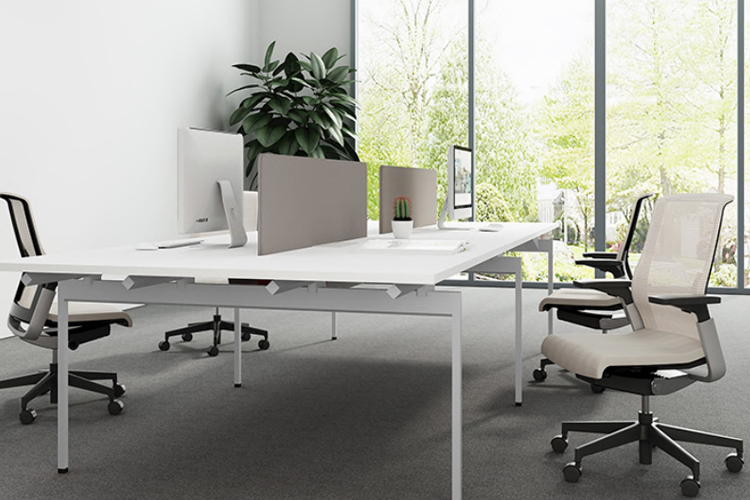
High-stability bases typically require a 28-inch diameter footprint. This larger size must be factored into high-density office floorplans and swivel radius zones. Clearance for sit-to-stand desk interfaces is also a primary consideration. Proper planning ensures heavy-duty chairs fit within standard cubicle dimensions. Following these layout specs supports ADA compliance and inclusive office design goals.
Which component specifications ensure fleet-wide operational safety?
Individual components are the most frequent failure points in commercial seating. Specifying reinforced hardware ensures the entire fleet operates safely without mechanical breakdown.
Cylinder
A Class 4 heavy-duty pneumatic lift is mandatory for all big and tall office chairs specifications. These cylinders feature reinforced nitrogen chambers and thick-walled steel housings. They must maintain travel range reliability even under maximum weight compression. Lubrication and seal integrity are verified for high-cycle environments. Anti-explosion safety base plates provide an extra layer of user protection.
Casters
Weight-rated dual-wheel casters must exceed 110 lbs per unit for a total set rating of 550 lbs. Large stem diameters prevent the metal from bending under lateral torque. Casters undergo friction coefficient testing for both hard-surface and carpet mobility. Heavy-duty hood construction prevents the wheels from separating during movement. Larger caster diameters also make it easier to move the chair across varied surfaces.
Stability
A five-star base with a large diameter is essential for tip-prevention. Cast aluminum or reinforced steel is preferred over nylon for high-capacity bases. Center of gravity calculations must account for users in a full recline position. Safety-lock mechanisms provide stability during height and tilt adjustments. Evaluating base rigidity under peak loads prevents structural cracking or deformation.
| Specification Matrix | Standard Commercial | Big and Tall (Heavy Duty) | Procurement Decision Factor |
| Weight Capacity | 250 – 275 lbs | 400 – 500+ lbs | Occupant safety & liability |
| BIFMA Standard | X5.1 | X5.11 | Compliance and submittal |
| Cylinder Class | Class 2 or 3 | Class 4 (Reinforced) | Replacement cycle frequency |
| Base Material | Reinforced Nylon | Cast Aluminum/Steel | Structural longevity |
| Foam Density | 2.0 – 2.5 lb/ft³ | 3.5 – 5.0 lb/ft³ | High-compression fatigue |
| Seat Width | 18″ – 20″ | 22″ – 24″+ | User clearance and comfort |
How to verify upholstery durability and batch consistency?
Upholstery in heavy-duty chairs faces extreme tension that can lead to fabric shearing. Verifying material performance ensures the furniture looks professional throughout its lifecycle.
Abrasion
High-rub Wyzenbeek ratings of at least 100,000 cycles are required for commercial upholstery. Tear strength must be verified for zones where fabric is pulled tight over the frame. Colorfastness and crocking standards are vital for facility maintenance. High-density mesh or fabric backings must resist stretching over time. Proper tensioning prevents the upholstery from putting undue stress on the frame.
Maintenance
Materials must be compatible with commercial-grade disinfectants and hospital cleaners. Cleanability is a priority for multi-shift workstations and high-traffic healthcare zones. Field-serviceable designs allow for seat or backrest replacement without scrap. Antimicrobial finishes are often specified for shared-user environments. Breathable fabrics ensure thermal comfort for users during long working shifts.
Control
Dye-lot matching is essential for maintaining aesthetic consistency across multi-floor facility rollouts. Manufacturers should provide standardized foam compression sets across all production units. Batch-level tracking simplifies warranty management and parts replacement. Traceability allows facility managers to identify production dates for every unit in the fleet. This level of control is necessary for large-scale institutional procurement.
What submittal requirements verify production and quality standards?
Standardized submittals provide the technical proof needed for project approval. These documents verify that every unit meets the project’s engineering and safety benchmarks.
Submittals
Comprehensive submittal packages include technical spec sheets and BIM blocks for space planning.
- Supplier documentation and verification
- Quality Standards
- Environmental certification and safety data sheets
Warranty
B2B warranties should cover the frame and core components for at least 10 years. Non-prorated terms protect the buyer from the cost of mechanical failures. Labor inclusion for on-site repairs is a vital term for large office projects. Parts availability guarantees ensure that legacy models can be maintained over time. Clear claim processing timeframes provide security for commercial accounts.
QA/QC
Quality control includes factory-level inspection checklists for every bulk order. Packaging must pass vibration and drop testing to prevent shipping damage. Final assembly coordination ensures the product is installed correctly on-site. Hardware torque specifications are verified to ensure joint stability. Lead time reliability is tracked to ensure shipping logs stay consistent with project schedules.
| Procurement Risk Checklist | Criticality | Acceptance Criteria |
| Structural Integrity | High | BIFMA X5.11 test report provided by lab |
| Floor Protection | Medium | Caster material verified against floor type |
| Dimensional Clearance | High | Seat width fits 95th percentile data |
| Lead Time Risk | Medium | Verified stock for phased installation schedules |
| Facility Safety | High | Flame retardancy (CAL117-2013) compliance |
| Maintenance Cost | Low | Tool-free cylinder replacement capability |
FAQs
- How do BIFMA X5.1 and X5.11 standards differ for project submittals?
X5.1 is the standard for general office seating, typically testing components to 275 lbs. X5.11 is the specific standard for “Large Occupant Office Seating,” which uses more rigorous testing for weight capacities of 400 lbs or higher. For B2B procurement, specifying X5.11 ensures that the furniture meets legal and safety standards for inclusive office environments and reduces corporate liability.
- When should a project switch from standard seating to Big and Tall chairs specifications?
Facilities should consider a 15-20% allocation of Big and Tall seating when the user demographic includes individuals in the 95th percentile for height and weight or in 24/7 high-use environments like call centers. Standard chairs used in these settings often fail within 12-24 months, whereas heavy-duty specifications align with typical 10-year facility replacement cycles.
- How does foam density impact the Total Cost of Ownership (TCO)?
Standard chairs often use low-density foam (2.5 lb/ft³) that collapses under high weight, leading to upholstery failure and user discomfort within months. High-capacity chairs require high-density molded foam (4.0+ lb/ft³) which maintains its shape and support over a 10-year period. Investing in higher foam density reduces the frequency of seat pan replacements and maintenance calls.
- Can standard casters be retrofitted onto high-capacity bases?
Retrofiting is discouraged. High-capacity bases require casters with specialized stem diameters and reinforced housings to handle increased lateral torque. Using standard casters on a Big and Tall base often leads to wheel shearing or stem snapping, creating a safety hazard and voiding the manufacturer’s warranty.
- How do you verify compliance when multiple standards are listed?
Always prioritize the highest rated standard for the specific user group. If a submittal lists both X5.1 and X5.11, the X5.11 test report is the primary document required for heavy-duty verification. Ensure the report is from an accredited third-party lab and matches the specific model being procured.
Final Thoughts on Structural Procurement
Specifying high-capacity seating is a critical procurement decision. It goes far beyond basic user comfort. Structural integrity directly impacts fleet longevity and facility safety. Prioritizing BIFMA X5.11 standards helps organizations reduce corporate liability. These technical choices also lower the total cost of ownership.
Heavy-duty seating minimizes the frequency of service calls and repairs. It supports a diverse workforce while maintaining a consistent office aesthetic. Procurement teams should demand verified submittals and robotic welding specs. This technical rigor ensures furniture survives high-intensity institutional use. Investing in superior materials protects the facility budget over a ten-year cycle. Quality seating remains an essential pillar of a safe and inclusive workspace.
Explore the Onmuse Seating Collection for technical specifications and project submittals. Our team provides CAD blocks and documentation to support large-scale facility rollouts and inclusive design requirements.